
OUR IMPACT
Impact Areas
Through scientific research, sector collaborations, and capacity-building programs, we work to systematically improve fish welfare in Türkiye. Our work supports the changes needed to minimize the suffering experienced by farmed fish, increases awareness that fish are sentient animals, helps close key scientific knowledge gaps, and equips the next generation of aquaculture engineers with the skills needed to advance fish welfare.
Field Research and Scientific Evidence
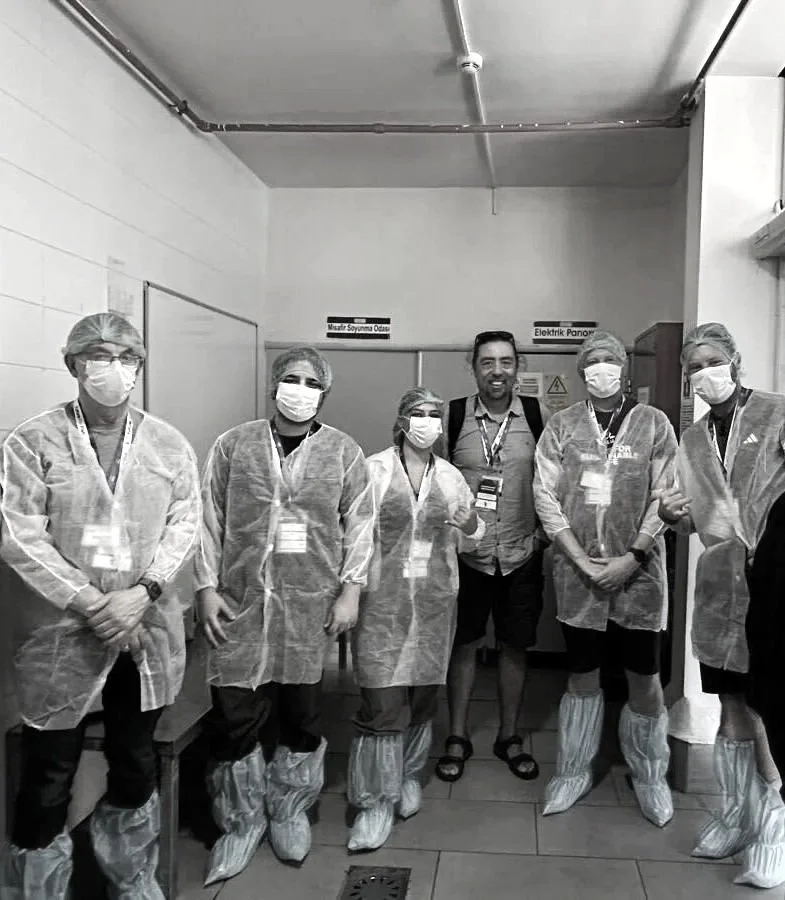
In 2025, we conducted fieldwork at three fish farms to examine the welfare impacts of electrical harvesting systems.
The study brought together international researchers from five countries and universities, generating one of the first field-level scientific contributions on seabass and seabream welfare.
We assessed key welfare indicators, including pre-harvest stress, machine settings, maintenance conditions, and electrical harvesting performance.
The findings were compiled in a scientific technical report.
Outcome
This research directly supported the sector in improving fish welfare standards by producing the first comprehensive and comparative dataset on electrical harvesting practices in Türkiye.
Engagement with Producers and Suppliers
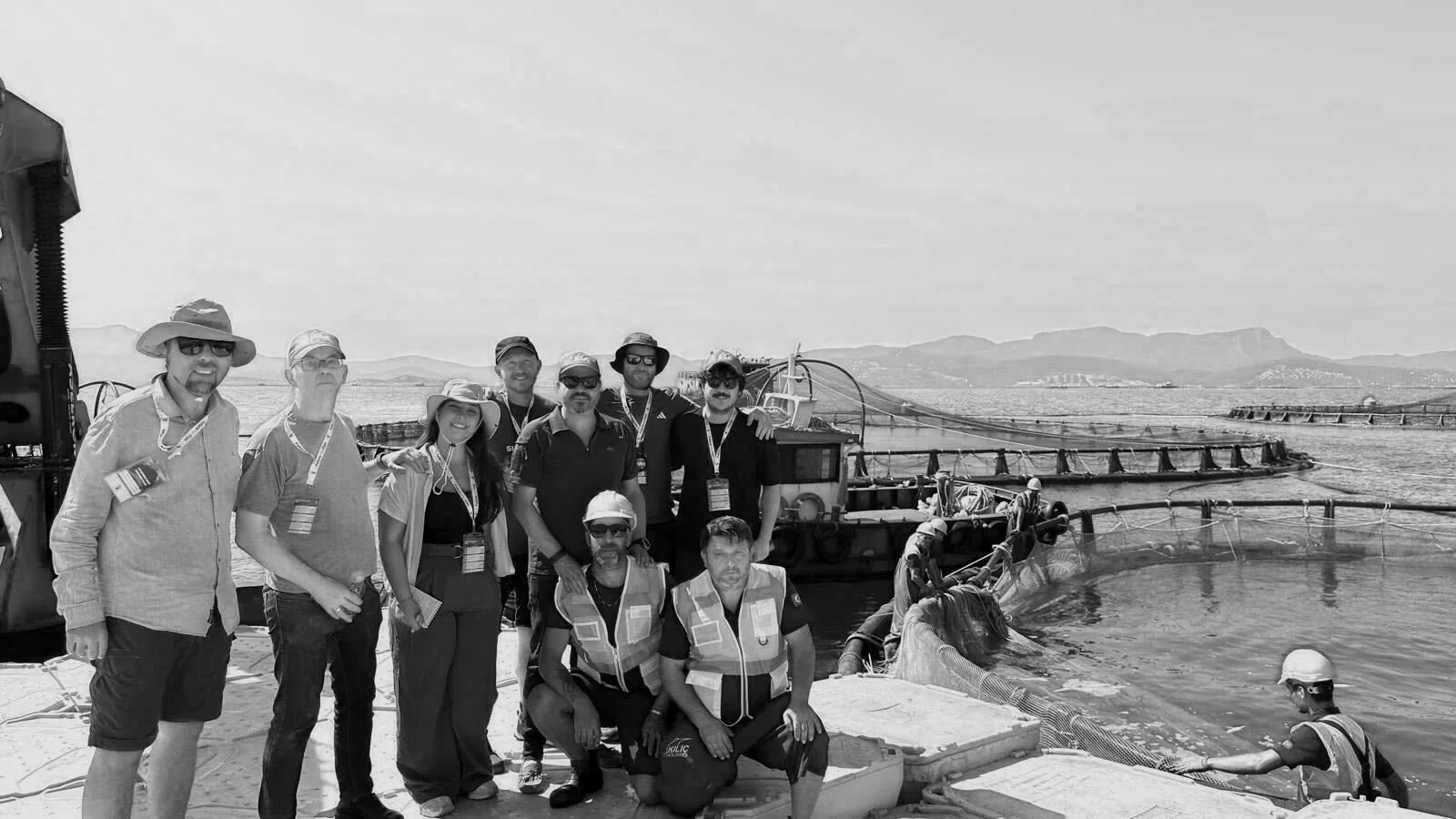
We engaged with Turkey’s 12 largest seabass and seabream producers to support the adoption of better welfare practices.
As a result, we secured two comprehensive fish welfare commitments from producers and four from suppliers, with the potential to improve the living conditions of 50 million fish.
We also provided technical guidance on pre-slaughter processes, electrical harvesting machine settings, maintenance protocols, and stress-reduction methods.
Outcome
Practical and measurable operational improvements that deliver tangible welfare gains have begun to be implemented across the sector.
Supporting Future Experts: Student Program
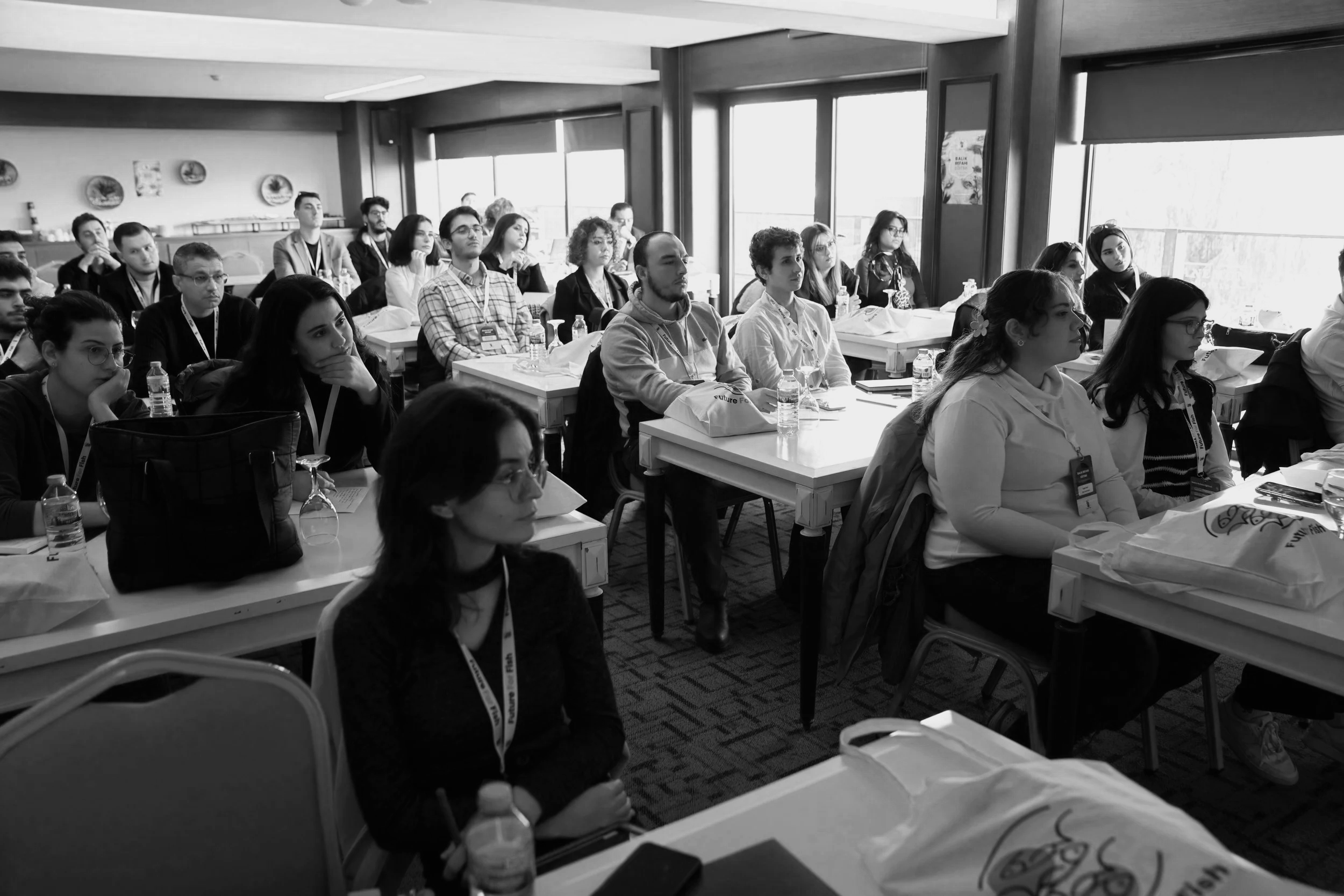
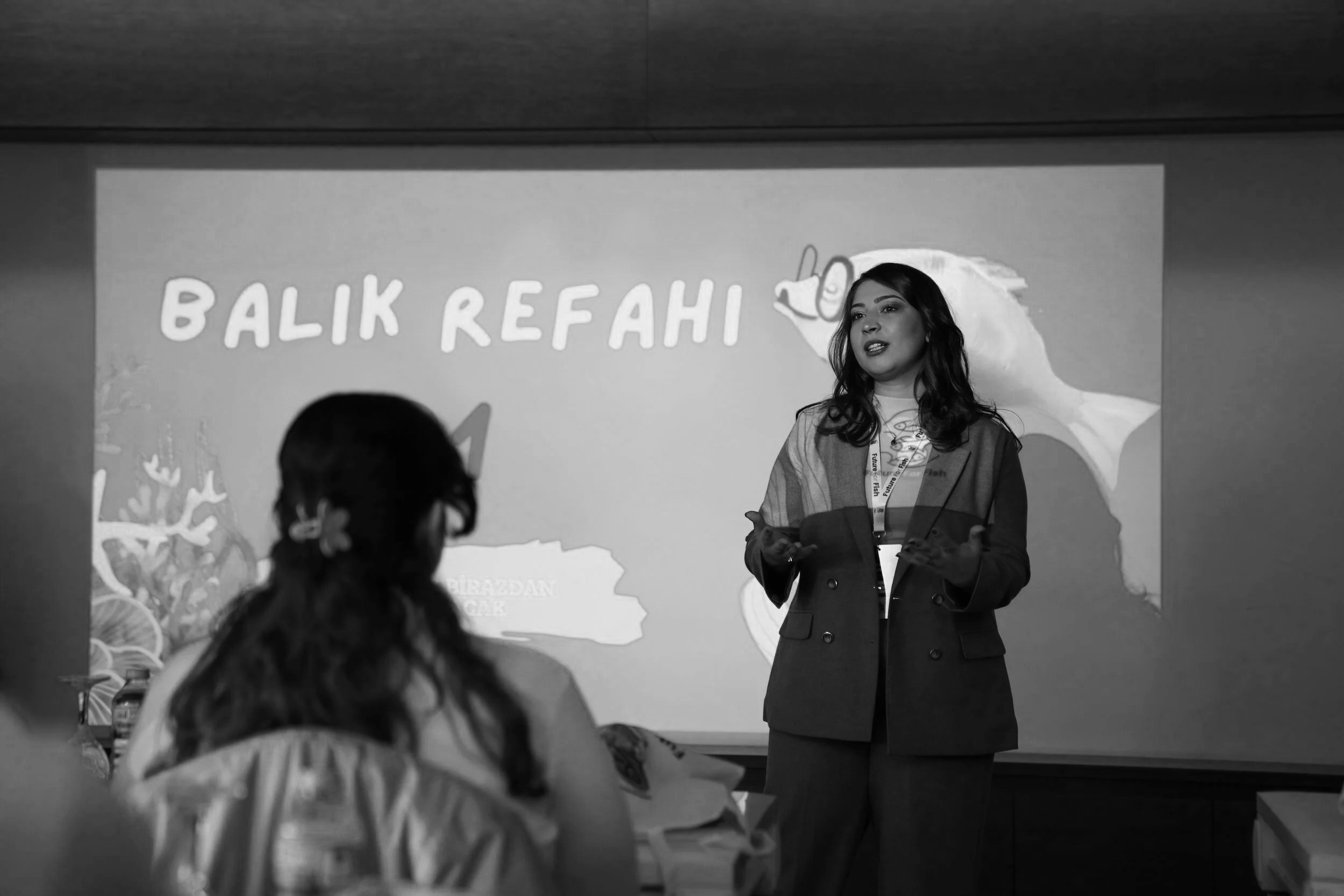
We awarded scholarships to 25 aquaculture engineering students from across Turkey for a two-day intensive fish welfare training program.
The program covered fish pain and neurobiology, welfare indicators, harvesting techniques, and ethical production.
Pre- and post-training assessments showed an 85% increase in participants’ fish welfare knowledge.
The training helped students better understand how aquaculture engineers can support fish welfare in practice.
Outcome
The sector’s future professionals were given the knowledge and awareness to drive long-term change in fish welfare.
Knowledge Sharing and Public Engagement
By publicly sharing our field report, we promoted transparency and evidence-based decision-making within the sector.
We organized a launch event to discuss the research findings.
We brought producers, academics, civil society and policymakers together on the same platform to create space for joint solution-building.
Our Long-Term Impact Model (Theory of Change)
Our work strengthens three main pathways of impact
Sustainable Capacity Building
Trainings lead to a new generation of well-equipped engineers, resulting in more effective welfare practices in the future.

Direct Welfare Improvement
Better harvesting practices lead to lower miss-stun rates, which means millions of fish experience less suffering.
System Transformation
Producer and supplier commitments lead to welfare standards embedded into company policies, enabling sector-wide change.