
WHY FISH?
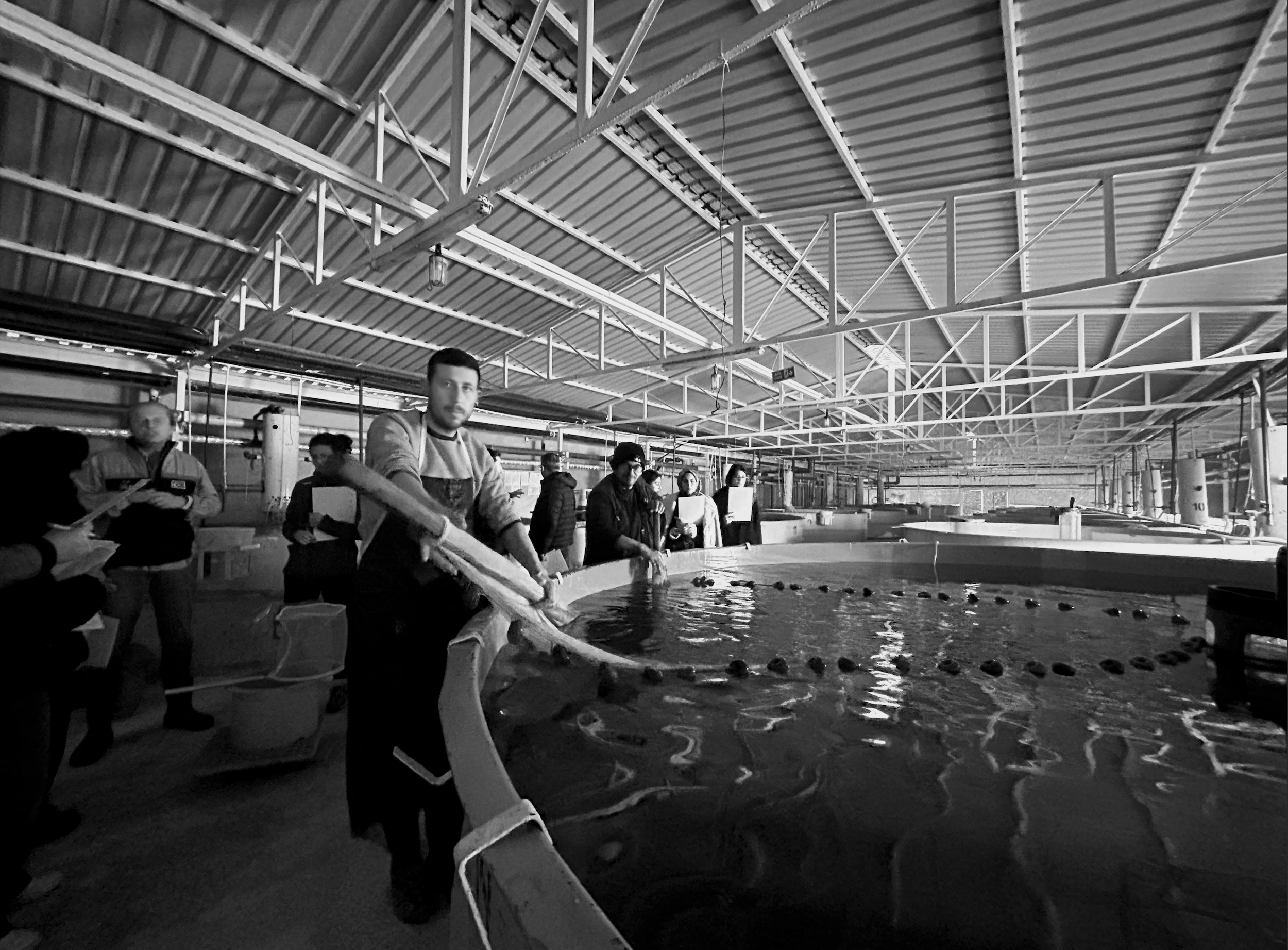
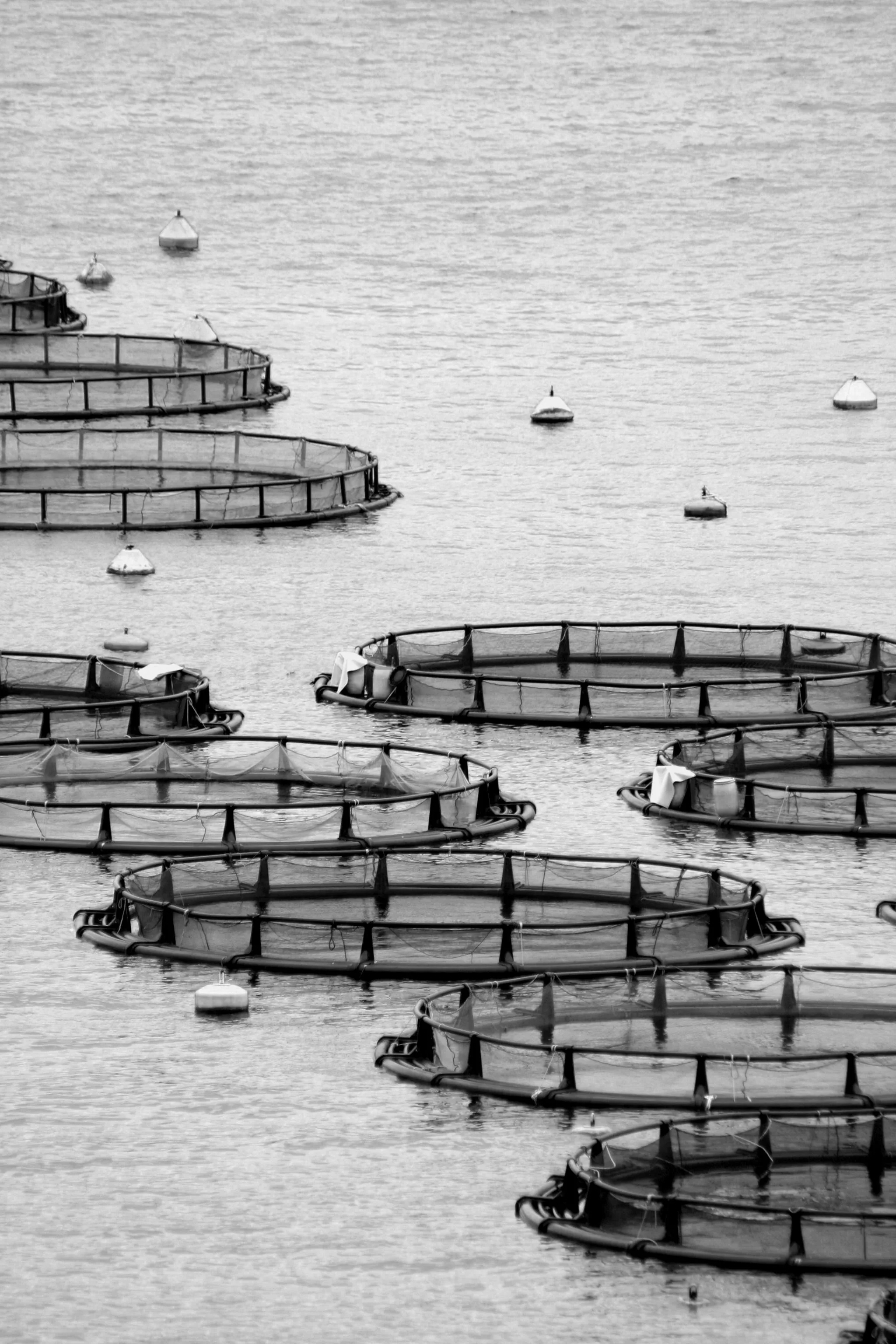
Aquaculture is currently the fastest-growing food production sector worldwide. Today, more than 50% of all seafood consumed globally already comes from farms, and this share continues to increase every year¹.
At the same time, an estimated 1.2–2.3 trillion fish are killed for food globally each year, of which approximately 130 billion are farmed fish.
This means that the living conditions, rearing practices, and killing processes of these fish take place within systems that are almost entirely under human control.
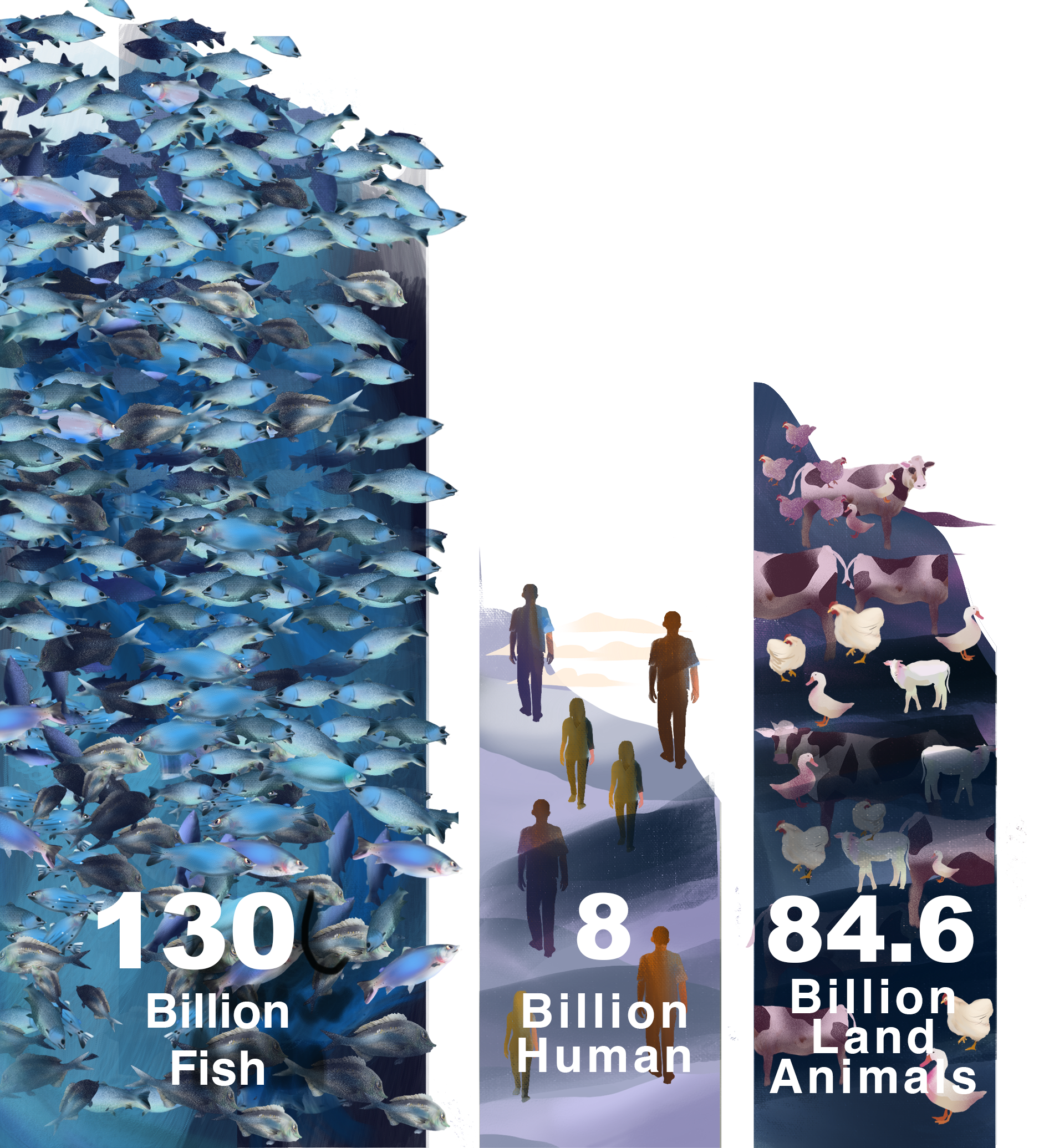
The number of fish killed annually in farms is around 1.5 times higher than the total number of all farmed land animals.
Approximately 1.7 times higher than chickens alone.
Working on fish, therefore, means focusing on an area where even small improvements can generate impact at an extraordinary scale.
Efforts directed at fish welfare create a multi-layered sphere of influence for fish, for producers, and for society.
These efforts span the living conditions of fish themselves, production practices, and the way society relates to and shapes food systems.
And equivalent to roughly 16 times the global human population.
For Fish
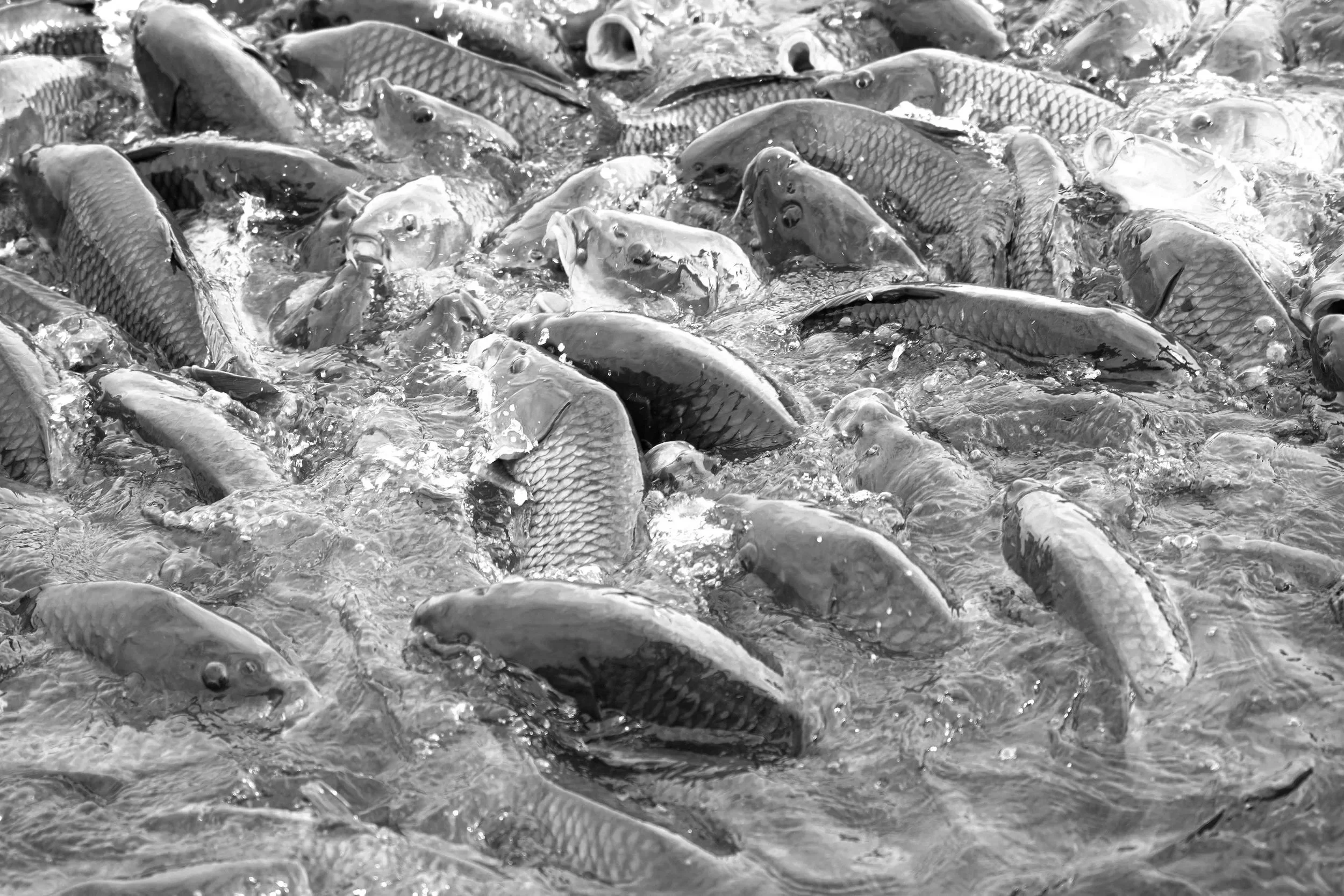
Focusing on fish allows us to directly improve the lives of billions of sentient animals.
Farmed fish commonly face:
high stocking densities
water quality problems
stressful handling and transport
painful or poorly managed harvesting processes
These conditions reduce quality of life, increase disease risk, restrict natural behaviors, and cause suffering on a massive scale.
Türkiye’s involvement makes this work especially important. As one of the world’s leading producers and exporters of sea bass and sea bream, improvements made here could influence domestic production and supply chains serving international markets.

For Producers
Fish welfare is not only an ethical responsibility; it also supports better production outcomes. Improved water quality, appropriate stocking densities, and reduced stress can help lower mortality, improve growth and feed conversion, and reduce disease risks.
Welfare practices may also contribute to product quality by reducing stress before and during slaughter, which can affect muscle structure, rigor mortis, and shelf life.
With growing expectations around transparency, traceability, and responsible production, fish welfare is becoming an increasingly important part of competitiveness in aquaculture.

For Society
Fish welfare is closely linked to food safety and public health. Healthier fish, raised in conditions that cause less stress, contribute to more reliable food chains and improved product quality. At the same time, production systems that prioritize welfare reduce antibiotic use and lower environmental pressure.
This, in turn, helps to protect water resources and ensure long-term public health. Therefore, taking fish welfare seriously is not only important for the animals themselves, but also a meaningful step for anyone seeking a more resilient food system.