
WHY WELFARE PRACTICES?
Fish welfare problems in aquaculture stem from invisible but widespread forms of suffering that millions of fish experience throughout their lives.
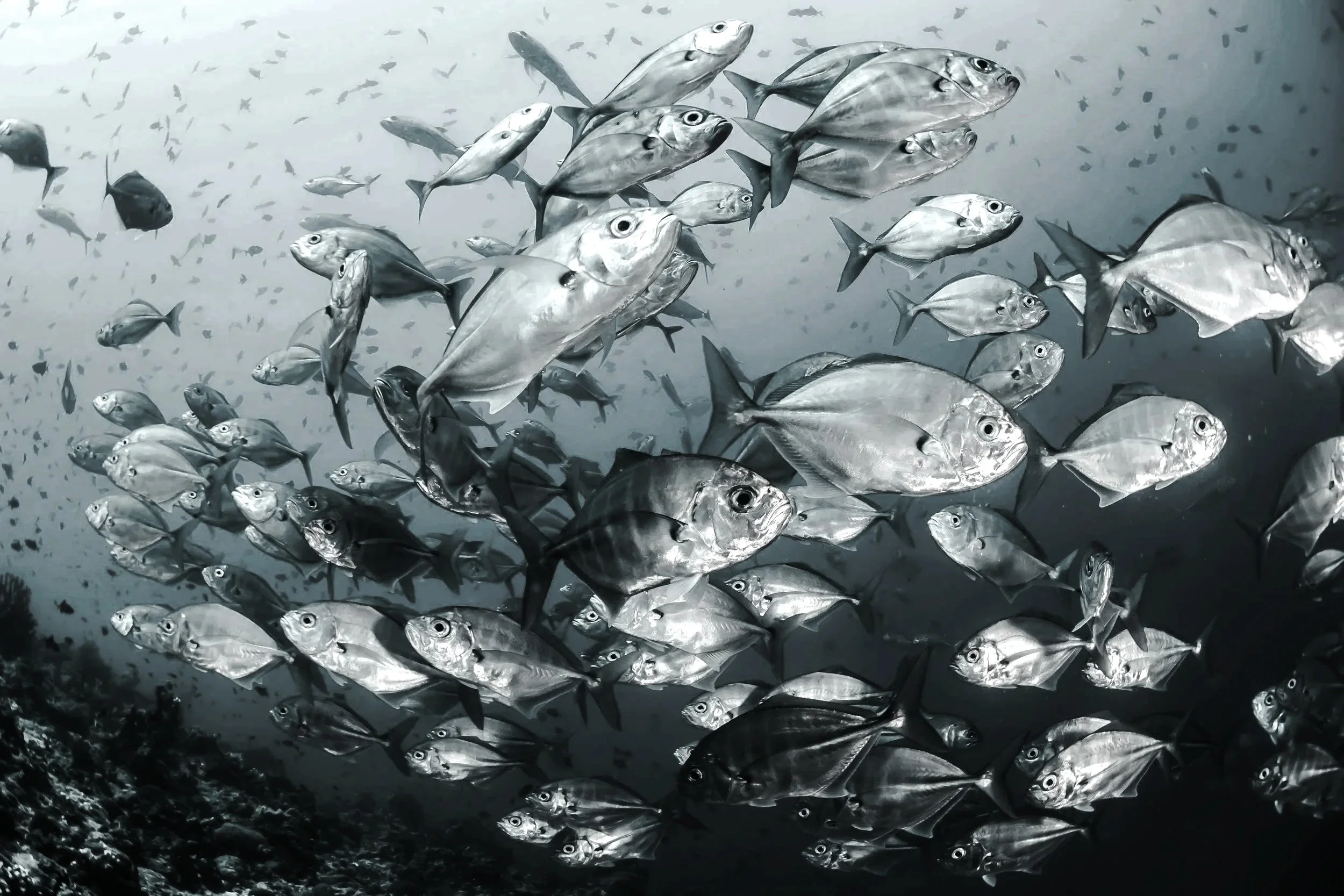
Fish have more developed sensory systems than many people assume.
Scientific evidence shows that they can experience pain, stress, and fear, as well as display social and play behaviours.
Because fish cannot vocalize pain like mammals, their suffering has often remained invisible. Behaviours such as vigorous struggling were long interpreted as simple reflexes rather than possible signs of distress.
Fish welfare work aims to identify, measure, and reduce these less visible forms of suffering through scientific evidence.
One widely used framework for assessing animal welfare is the Five Freedoms approach, which also applies to fish.
Freedom to live in
suitable environmental conditions
The water quality, oxygen levels, temperature and living environment must all be within the physiological limits of the fish.
Freedom to express natural behaviors
Fish should be able to express natural, species-specific behaviors such as swimming, hiding, resting, and social interaction
Freedom from fear and severe stress
It is important to prevent excessive stress and panic during daily production processes, especially during harvest.
Freedom to have
access to adequate
and appropriate nutrition
Fish should not be deprived of food for long periods of time or be kept in conditions that do not meet their physiological needs.
Freedom from pain,
injury, and disease
Injuries, diseases, and parasites affecting fish should be minimized and managed effectively
So how do these principles translate into a fish’s daily life?
Let’s consider this from a fish’s perspective. This time, let’s look at what farm processes look like, what problems they involve, and how they make fish feel, through their eyes.
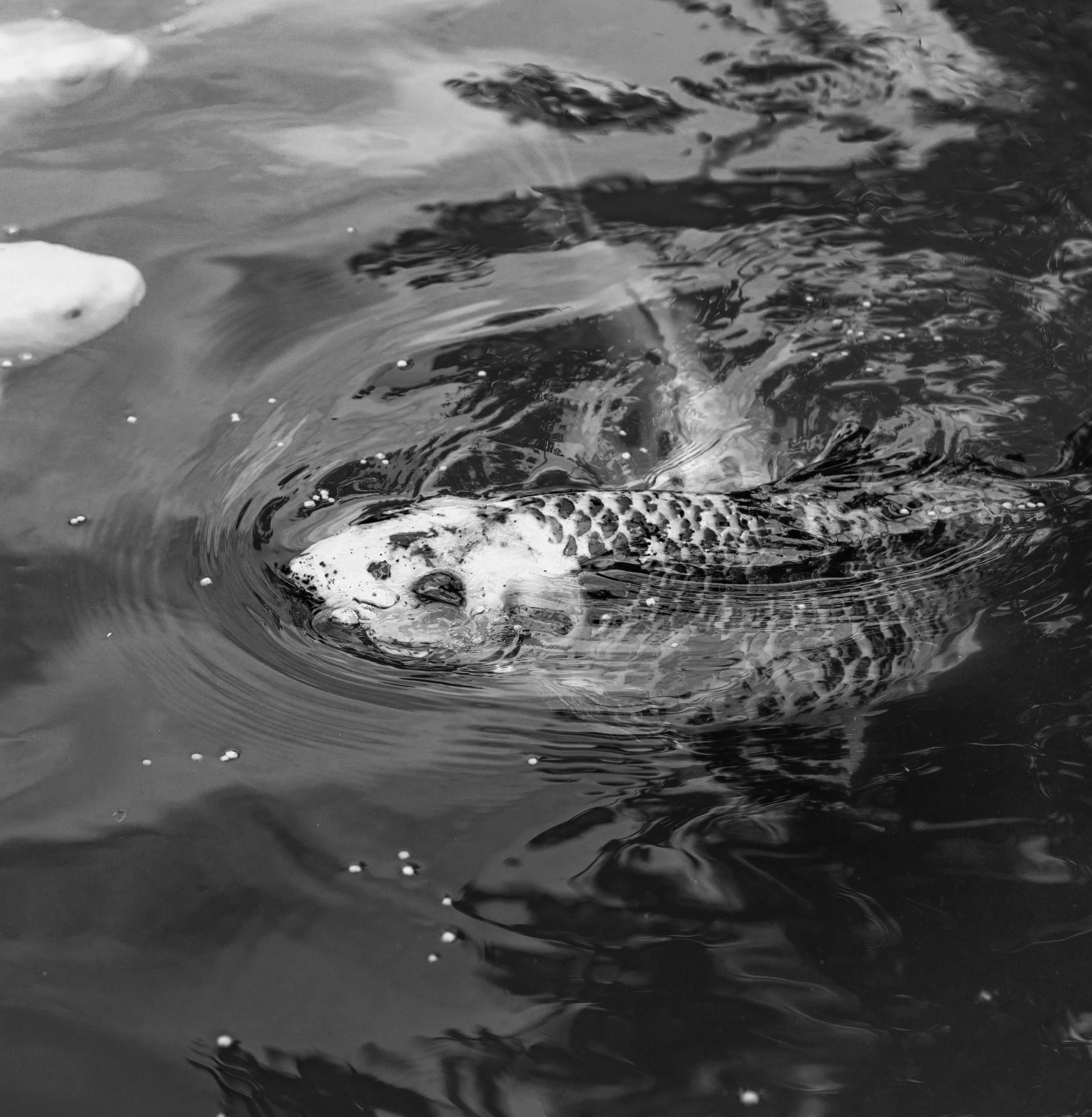

Growing Up in Hunger and Nutritional Imbalance
Sometimes I do not receive enough feed, and sometimes the feed I receive does not meet my needs. Poor nutrition weakens my body, lowers my immunity, and increases my vulnerability to disease.
Before transport or harvest, I may be deprived of feed for days to empty my digestive system. As fasting continues, my stress rises, my body weakens, and aggression between fish can increase. Eating is not only about growth, it’s about survival.

Living in Crowds
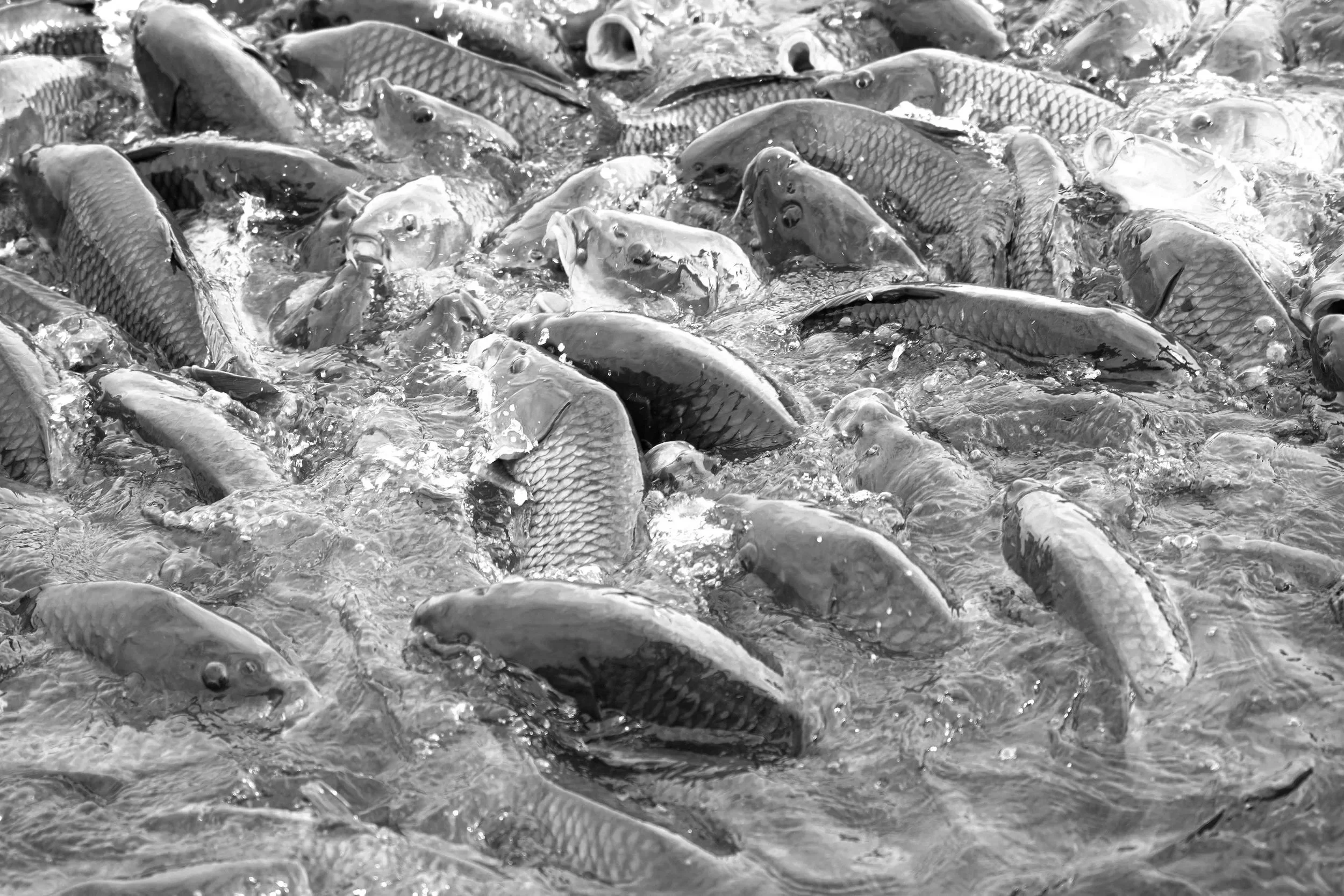
I am always surrounded by other bodies. I swim, but I cannot move freely. I turn, but there is nowhere to go. Sometimes I hit other fish, sometimes they hit me.
My fins are bitten, my skin is scratched, and the wounds do not always heal before new ones appear.
As our home becomes more crowded it becomes harder to breathe. Stress spreads between us.
When one of us becomes sick, the illness can quickly reach many others.

Living in Poor-Quality Water
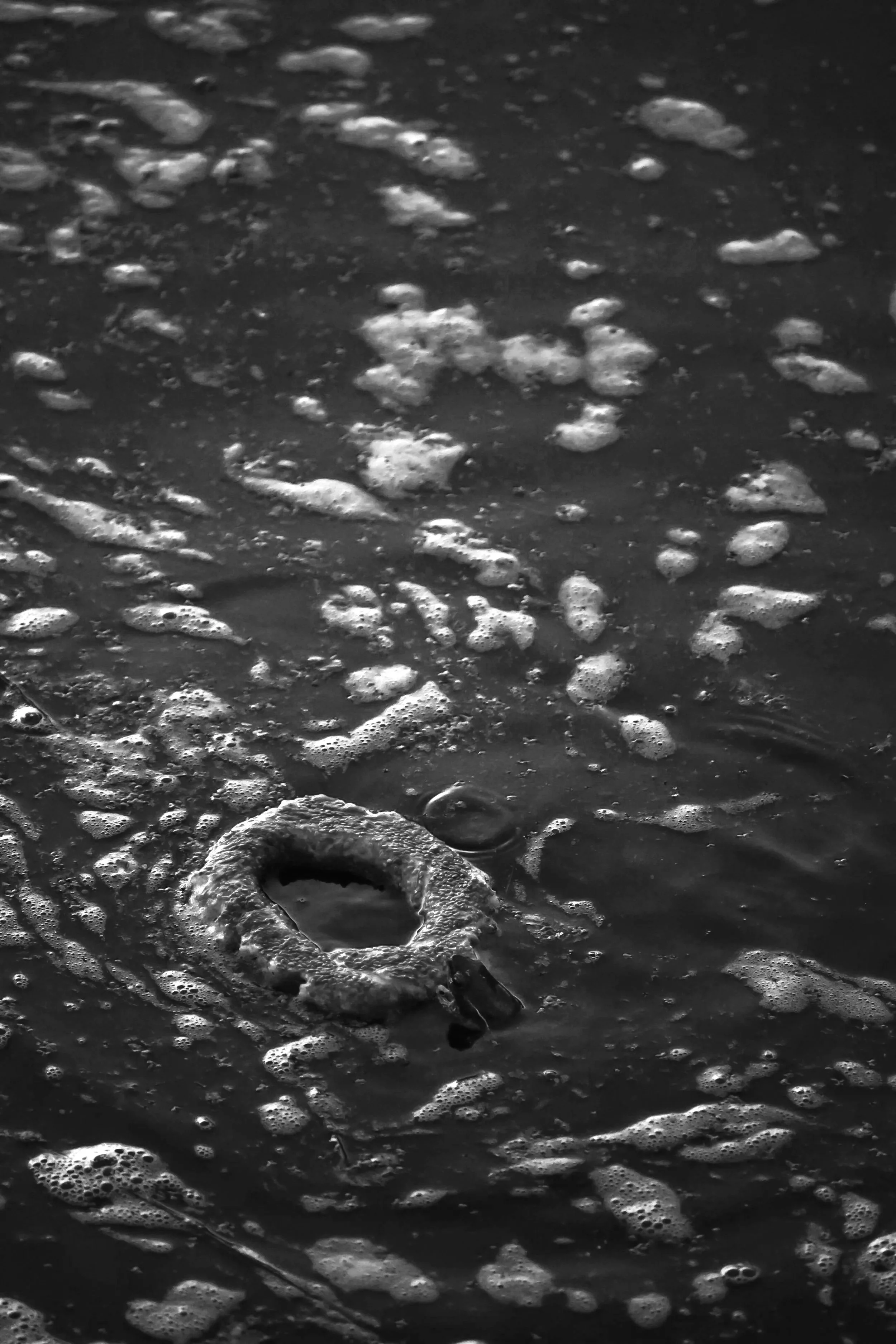
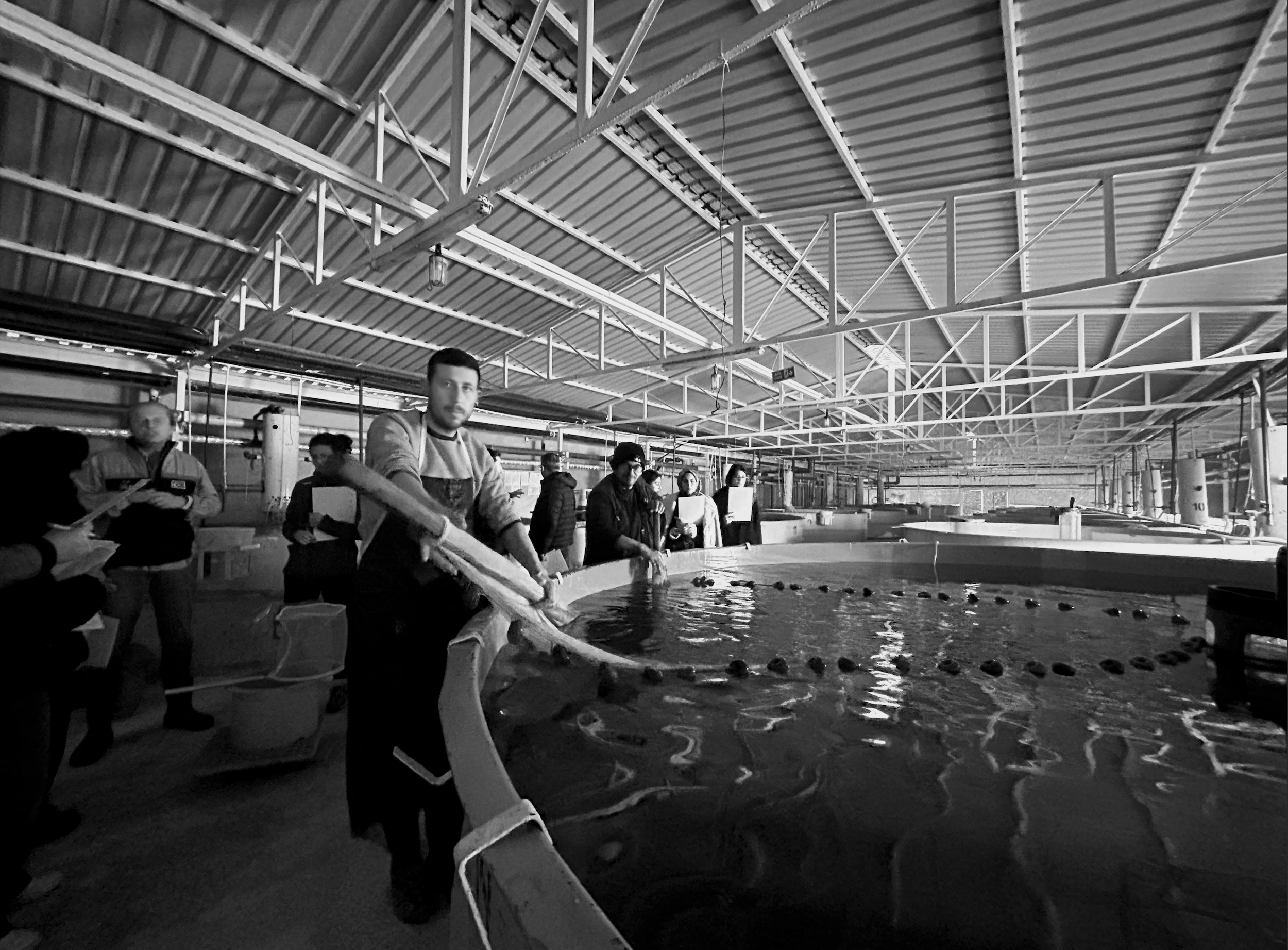
Water is not only where I swim. It is also how I breathe.
When oxygen levels fall, breathing becomes difficult. When temperature or pH changes, my body struggles to cope. These changes may seem small from the outside, but for me they can affect every part of my life.
They define the quality of my life.


An Environment That Does Not Meet My Needs
I grow up inside nets, far from the complex environments my species evolved to live in. I cannot hide, explore, burrow, or choose where to swim. Currents may be too weak or too strong, and artificial lighting may affect my orientation, rest, and stress levels.
When I cannot express natural behaviours, I remain under constant stress. Over time, this can weaken my body and increase my risk of disease.


Harvest and Death
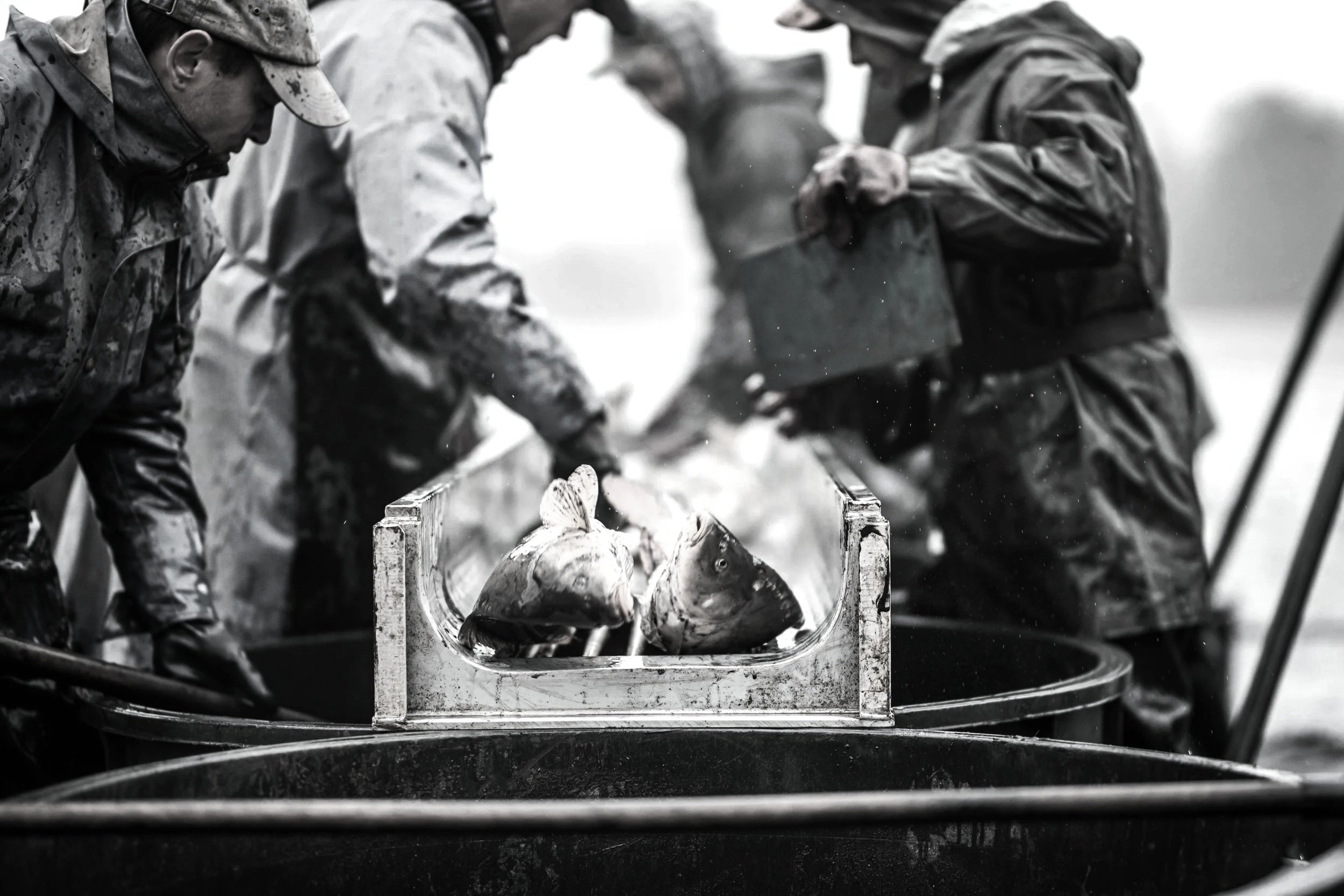
At the end of my life, what happens to me depends entirely on the method used. Sometimes I am taken from the water and left to suffocate. Sometimes I am placed in an ice slurry while I am still conscious. Sometimes carbon dioxide is used, and I struggle as breathing becomes impossible. In some cases, my gills are cut before I lose consciousness.
I cannot scream or ask for it to stop. My body struggles because I am still alive, still aware, and still capable of feeling pain and fear.
Why Is This a Welfare Problem?
These are not exceptional cases. Today, billions of farmed fish worldwide live in similar conditions. These problems exist primarily because production systems still fail to adequately recognize that fish are sentient creatures capable of experiencing pain, stress and fear. The work of fish welfare organizations aims to raise awareness of these overlooked issues and improve the living conditions of fish.
If you would like to see how Future For Fish addresses these issues, the work we implement, and the impact we create: